
1:09 AM Backwater Valve Installation: How It Protects From Sewage Backflow | |
Sewage backflow can occur when a municipal sewer line surcharges or when downstream conditions prevent wastewater from draining properly. In those situations, plumbing fixtures can become conduits for contamination, creating health and property risks. A backwater valve—also called a backflow preventer for sanitary sewer systems—helps block reverse flow and can protect basements, drains, and lower-level toilets or shower drains.
While the concept is straightforward, installation details matter. A correctly sized and properly positioned valve, paired with appropriate piping and testing, is what determines whether it will perform during a real backup event. What a backwater valve does
Under normal use, wastewater flows away from the building through a valve body and into the sewer. When the direction reverses—such as during a backup—the valve closes, preventing sewage from traveling back into the home. Many models rely on gravity or internal mechanisms that seal when reverse pressure is detected.
Because backflow conditions vary, homeowners should treat valve selection and installation as part engineering and part compliance: sizing, clearances, and connection methods must match the plumbing system and local requirements. Key considerations before installing
1) Local code and permits: Requirements vary by municipality. Some jurisdictions require permits, inspections, and specific valve types for particular building layouts.
2) Where the valve is installed: Most systems place the backwater valve between the home’s building drain and the point where it connects to the sewer main. The exact placement depends on your drainage path, invert elevations, and whether the home has basement floor drains, sump ties, or other fixtures.
3) Correct sizing: Valves must match pipe diameter and flow conditions. Undersizing can restrict drainage and increase the chance of premature closure, while oversizing without proper connections can lead to installation issues.
4) Access for maintenance: A valve that can’t be inspected or cleaned may fail silently over time. Plan for safe access and consider that some manufacturers recommend periodic checks or specific maintenance intervals. Installation overview (high-level steps)
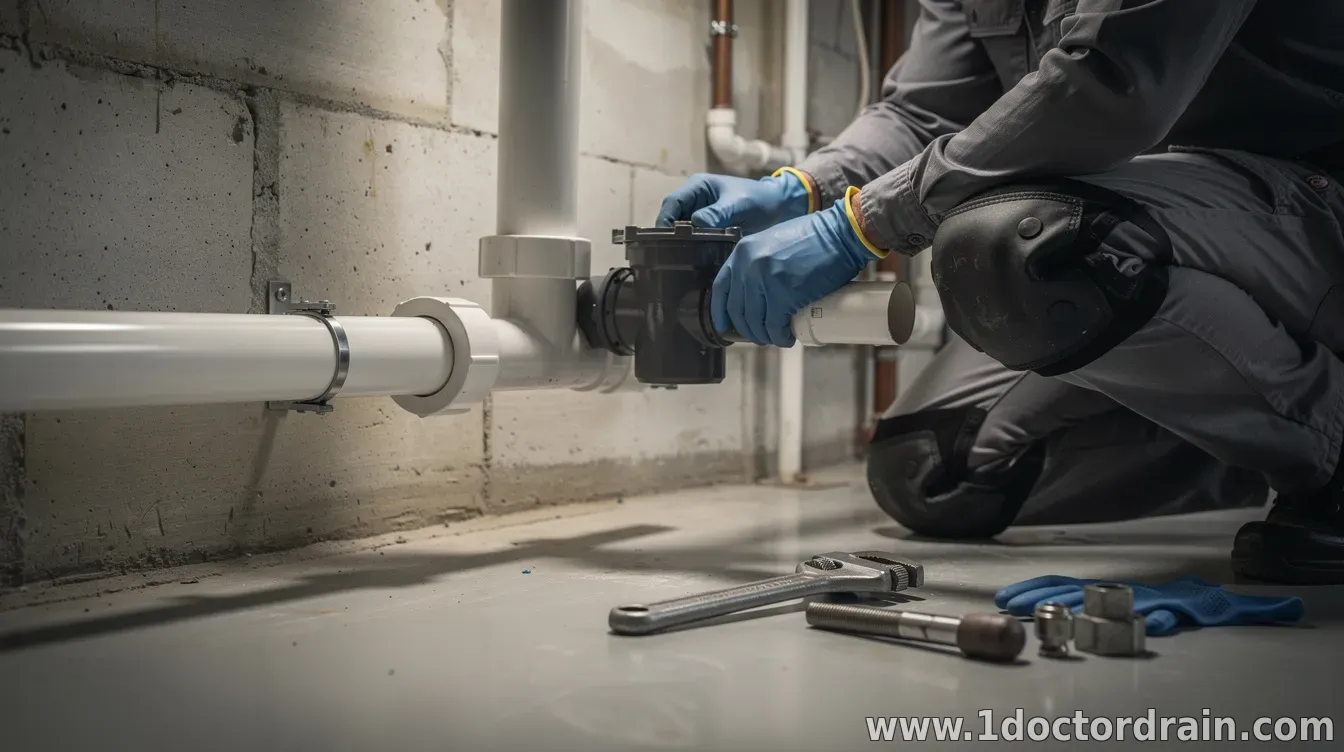
A typical installation involves fitting the backwater valve into the drainage line with watertight connections, ensuring proper slope and alignment, and confirming that downstream plumbing and seals are compatible with the valve’s design. Many installations also require attention to venting and cleanouts so the system can drain normally and be serviced if clogs occur.
In practice, reputable plumbers confirm pipe materials (e.g., PVC vs. cast iron transitions), verify that the valve orientation is correct (directional flow markings are critical), and use approved fittings and sealants that suit the system’s temperature and chemical exposure. Common mistakes that reduce protection
Even a quality valve can underperform if installed incorrectly. Common problem areas include valves installed backward, improper sizing, inadequate support that stresses joints, and connections that are not properly sealed. Another frequent issue is overlooking maintenance—debris buildup can hinder movement and prevent the valve from sealing during an emergency.
Also note that backwater valves are protective for certain sewer discharge paths, not a cure-all for every scenario. For example, stormwater infiltration through foundation openings or groundwater seepage is a different mechanism and typically requires separate drainage and waterproofing measures. Testing and what to watch for
After installation, the system should drain as expected under normal load. Depending on local practice, an inspector or plumber may verify alignment, check that the valve operates through simulated reverse flow conditions (where appropriate), and confirm that fixtures function correctly—especially those at lower elevations.
Homeowners should also monitor for warning signs such as persistent slow drains, unusual gurgling, or intermittent backup behavior after heavy use. If the valve is installed on a line serving basement fixtures, prompt attention to performance concerns can prevent a backup event from becoming a damaging one.
For many property owners, the most effective approach is to combine a backwater valve with broader preparedness—ensuring cleanouts are reachable, keeping drains clear, and understanding how local sewer backups are handled. When installed correctly and maintained, a backwater valve can be a practical barrier between municipal disruptions and the safety of a home’s interior plumbing.
| |
|
| |
CALL ☎ Subscribe 👆
Next & Previous posts
Related materials:

CONTACT US 📩
Submit the form, we'll contact you as soon as possible!